Category Archives: Food

Defining my bioregion as coastal rainforest
The rainforest defines my bioregion. All bioregions are defined by water to a greater or lesser extent, and mine is no exception, though it is different from many others in that it is not based in a water catchment but
Defining my bioregion as coastal rainforest
The rainforest defines my bioregion. All bioregions are defined by water to a greater or lesser extent, and mine is no exception, though it is different from many others in that it is not based in a water catchment but

Edgeland Chronicles by me (Ed Tyler)
I have published a book about bioregionalism: not an academic thesis but a fictional fantasy set in the mid-21st Century and featuring the people living in the archipelago off the NW coast of Europe, which, in 2023, consists of the
Edgeland Chronicles by me (Ed Tyler)
I have published a book about bioregionalism: not an academic thesis but a fictional fantasy set in the mid-21st Century and featuring the people living in the archipelago off the NW coast of Europe, which, in 2023, consists of the

Regenerative Scotland – a bioregional perspective
Ariane Burgess MSP invited me along recently to feature in her podcast series entitled Regenerative Scotland. The resulting podcast is called “Bioregional design” and comes under the theme of “Landscape Scale Land Management”. In it we explore the nature of
Regenerative Scotland – a bioregional perspective
Ariane Burgess MSP invited me along recently to feature in her podcast series entitled Regenerative Scotland. The resulting podcast is called “Bioregional design” and comes under the theme of “Landscape Scale Land Management”. In it we explore the nature of
Grain revival
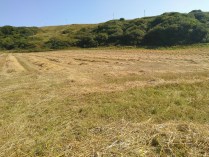
I have been much heartened by what our farming neighbours in West Kintyre have been up to. The Jones of South Muasdale farm have recently harvested crops of oats and barley. The Scottish climate is ideally suited to these grains.
Grain revival
I have been much heartened by what our farming neighbours in West Kintyre have been up to. The Jones of South Muasdale farm have recently harvested crops of oats and barley. The Scottish climate is ideally suited to these grains.

RL4 – Bracken
Bracken is abundant in the Highlands. It is seen as a scourge, since sheep, cattle and horses won’t eat it. Let’s look at the ecological niche it naturally occupies. Surprisingly perhaps, it is a woodland plant, yet can only grow
RL4 – Bracken
Bracken is abundant in the Highlands. It is seen as a scourge, since sheep, cattle and horses won’t eat it. Let’s look at the ecological niche it naturally occupies. Surprisingly perhaps, it is a woodland plant, yet can only grow

Bioregioning at International Permaculture Convergence, London.
I’ve just settled back in West Scotland after an intense couple of weeks in the London area at both the International Permaculture Conference and Convergence. At the Convergence I gave a presentation on Co-Creating Bioregions. You can see it yourself
Bioregioning at International Permaculture Convergence, London.
I’ve just settled back in West Scotland after an intense couple of weeks in the London area at both the International Permaculture Conference and Convergence. At the Convergence I gave a presentation on Co-Creating Bioregions. You can see it yourself
Common pool resources and the Firth of Clyde
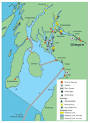
Yesterday I was at a meeting in Campbeltown called by the Scottish Inshore Fisheries Trust (SIFT) at which were gathered fishing boat skippers, community activists and local tradition bearers. It proved to be a heated meeting, but ended in mutual
Common pool resources and the Firth of Clyde
Yesterday I was at a meeting in Campbeltown called by the Scottish Inshore Fisheries Trust (SIFT) at which were gathered fishing boat skippers, community activists and local tradition bearers. It proved to be a heated meeting, but ended in mutual
Bioregional patterns: the nest.
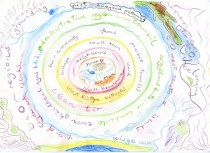
I have been working as a Permaculture practitioner for nearly 20 years. Permaculture uses a pattern language originated by Bill Mollison in the 70’s. He had the insight that if we are to develop truly sustainable people-based systems we need
Bioregional patterns: the nest.
I have been working as a Permaculture practitioner for nearly 20 years. Permaculture uses a pattern language originated by Bill Mollison in the 70’s. He had the insight that if we are to develop truly sustainable people-based systems we need

Food trading networks between bioregions
Resources are a key aspect of bioregions. Bioregioning involves looking carefully at our local resources and using them to feed, clothe and shelter ourselves. If we take agriculture as an example, the answer seems simple: in all bioregions we get
Food trading networks between bioregions
Resources are a key aspect of bioregions. Bioregioning involves looking carefully at our local resources and using them to feed, clothe and shelter ourselves. If we take agriculture as an example, the answer seems simple: in all bioregions we get
Kintyre Bioregion
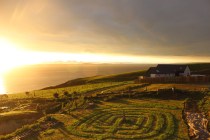
Kintyre Bioregion – part of ScotLAND Kintyre Bioregion is a collaboration of various permaculture projects across the Kintyre peninsular which includes Daisy Cottage, Tabert Community Healing Garden, Ron Mara near Muasdale, Bruce’s Stone Croft near Carradale and Judy Martin’s sites
Kintyre Bioregion
Kintyre Bioregion – part of ScotLAND Kintyre Bioregion is a collaboration of various permaculture projects across the Kintyre peninsular which includes Daisy Cottage, Tabert Community Healing Garden, Ron Mara near Muasdale, Bruce’s Stone Croft near Carradale and Judy Martin’s sites
 bioregioning